
Safety Precautions
Due to the ongoing covid-19 pandemic, we are following all precautions to avoid spreading the virus. You are advised to wear a mask throughout the cleanup and maintain 2 feet of physical distance. Please wear good quality shoes to avoid any cuts from broken glass pieces.
Gloves
You will be provided with good quality gloves to avoid direct contact of hands with waste.
Cleanup bags
We use High Density Poly Ethylene bags (Rice bags) to collect the waste on beaches due to their durability
Beach cleanups are not always easy. Volunteers often work under harsh weather conditions, navigate difficult terrain, and collect waste that has accumulated over weeks or even months. Despite these challenges, they continue to show up with determination and a shared commitment to protecting the coastline.
One of the greatest challenges faced during cleanups is the sheer volume of litter left behind by visitors and carried ashore by ocean currents. From plastic bottles and food packaging to fishing debris and microplastics, the waste found on beaches highlights the growing pressure on coastal ecosystems.
Yet, with every cleanup drive, volunteers prove that perseverance can make a difference. Their efforts help restore the natural beauty of the shoreline, protect marine life, and inspire communities to become more conscious of their environmental impact.
Activity Gallery


Activity Details
568th Beach Cleanup
The Beach
Behind every successful beach cleanup lies a story of dedication, resilience, and hard work. While the results are often visible in the form of cleaner shores and healthier coastal environments, the process itself comes with numerous challenges. Volunteers frequently work for hours under intense sunlight, strong winds, and humid coastal conditions, driven by a shared commitment to environmental conservation.
One of the most significant challenges is the volume and diversity of waste found along the shoreline. Litter arrives not only from beach visitors but also from nearby urban areas, rivers, fishing activities, and ocean currents. As a result, volunteers often encounter everything from plastic bottles and food wrappers to discarded fishing nets, glass fragments, and other hazardous materials that require careful handling.
The nature of coastal environments presents additional difficulties. Uneven rocky surfaces, long stretches of sand, and hard-to-reach areas can make waste collection physically demanding. In many cases, debris becomes trapped between rocks or buried beneath the sand, requiring extra effort and patience to remove. Despite these obstacles, volunteers remain committed to ensuring that no area is left unattended.
Another challenge is the recurring nature of pollution. Beaches that are cleaned one weekend may accumulate fresh litter within days. This reality can be discouraging, yet it reinforces the importance of consistency and community participation. Every cleanup serves as both an environmental intervention and a reminder that lasting change requires collective responsibility and sustained effort.
Despite the challenges, beach cleanups continue to create meaningful impact. They protect marine ecosystems, improve the condition of public spaces, and raise awareness about the consequences of improper waste disposal. Most importantly, they demonstrate the power of ordinary citizens to overcome obstacles and take action for a greater cause. Through determination, teamwork, and persistence, volunteers transform challenges into opportunities to create cleaner, healthier, and more sustainable coastlines.
Volunteers
-

NEERUKONDA VINOD kumar
Recent Activities
_ql7z3151m.jpg)
Mega Blood Donation Camp
calendar_month 12-10-2026
lan Digi Blood
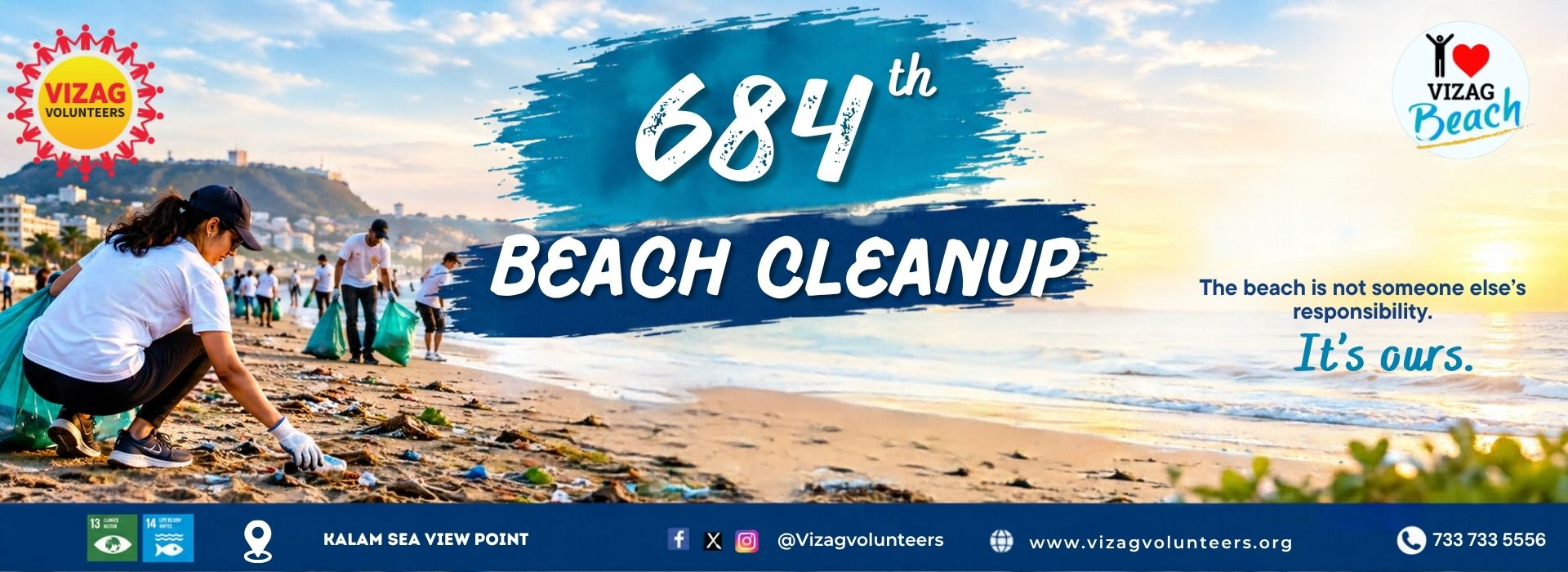
684 Beach clean up
calendar_month 11-10-2026
lan I Love Vizag Beach
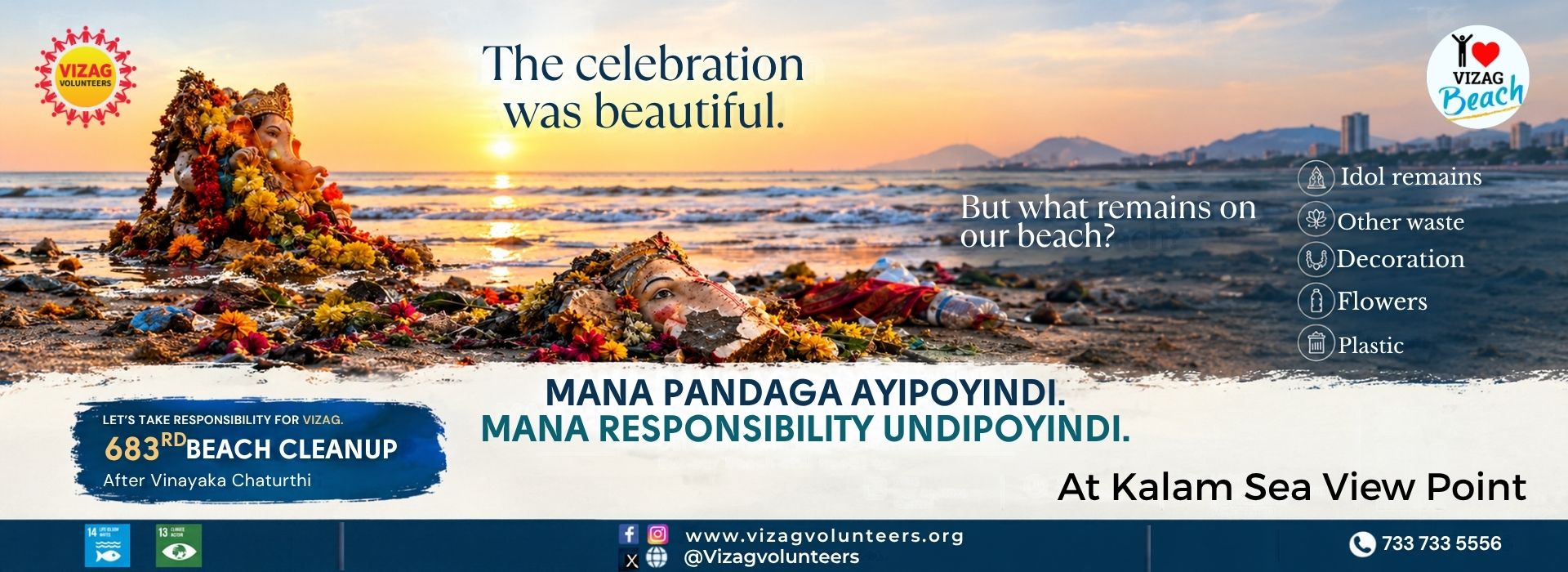
683 Beach cleanup
calendar_month 03-10-2026
lan I Love Vizag Beach
